
Leslie 950
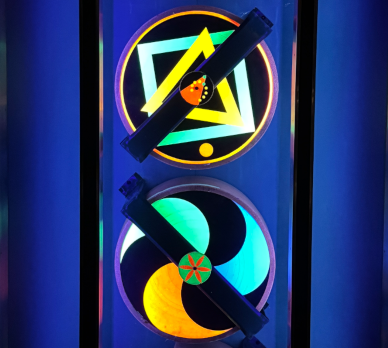
This month’s pick is the psychedelic spinning Leslie 950. It’s one of the OG pieces that inspired Vince’s love of music!
The Mighty Leslie 950: When Sound Becomes Spectacle
When most musicians hear the word Leslie, they picture the warm, swirling tones of a classic Model 122 or 147. After all, those are the gold standard of rotary speaker design. These “standard” Leslies defined the Hammond organ sound for generations: beautifully crafted wooden cabinets, a two-rotor system (treble horn above, bass drum below), and a compact, furniture-like form meant to blend into churches, studios, and living rooms.
But every once in a while, something comes along that refuses to blend in.
Enter the Leslie 950.
Turning the Leslie Concept on Its Head
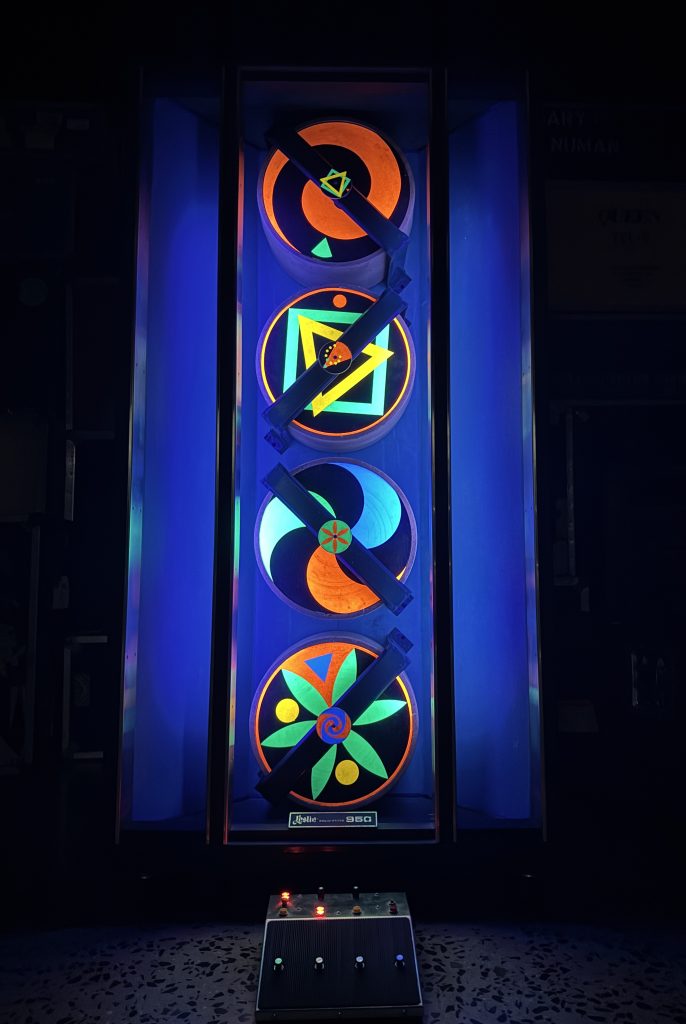
The Leslie 950, part of the ambitious Pro-Line series, took everything players expected from a rotary speaker and flipped it—literally and figuratively.
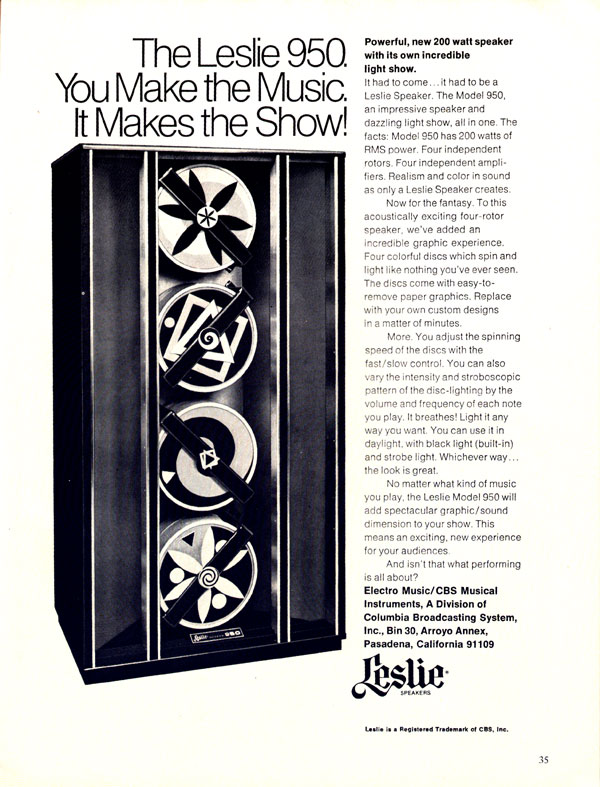
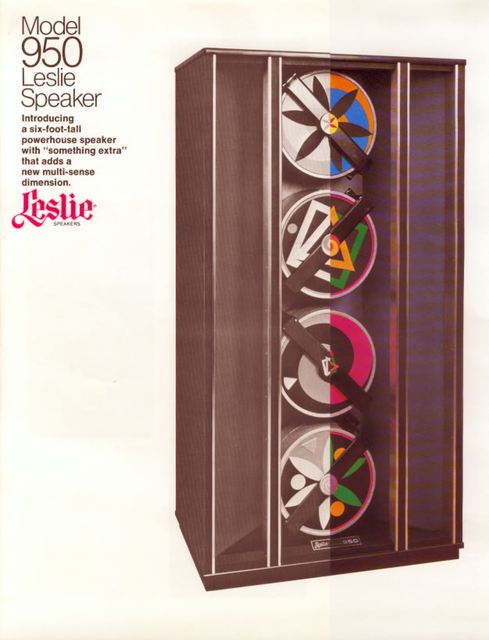
Instead of the traditional waist-high wooden cabinet, the 950 stands a full six feet tall. Its vertical design wasn’t just for looks: it projected sound outward and upward, making it ideal for large venues where a standard Leslie might get buried in the mix. This was a cabinet built not for the parlor, but for the stage.
And visually? It was unlike anything else.
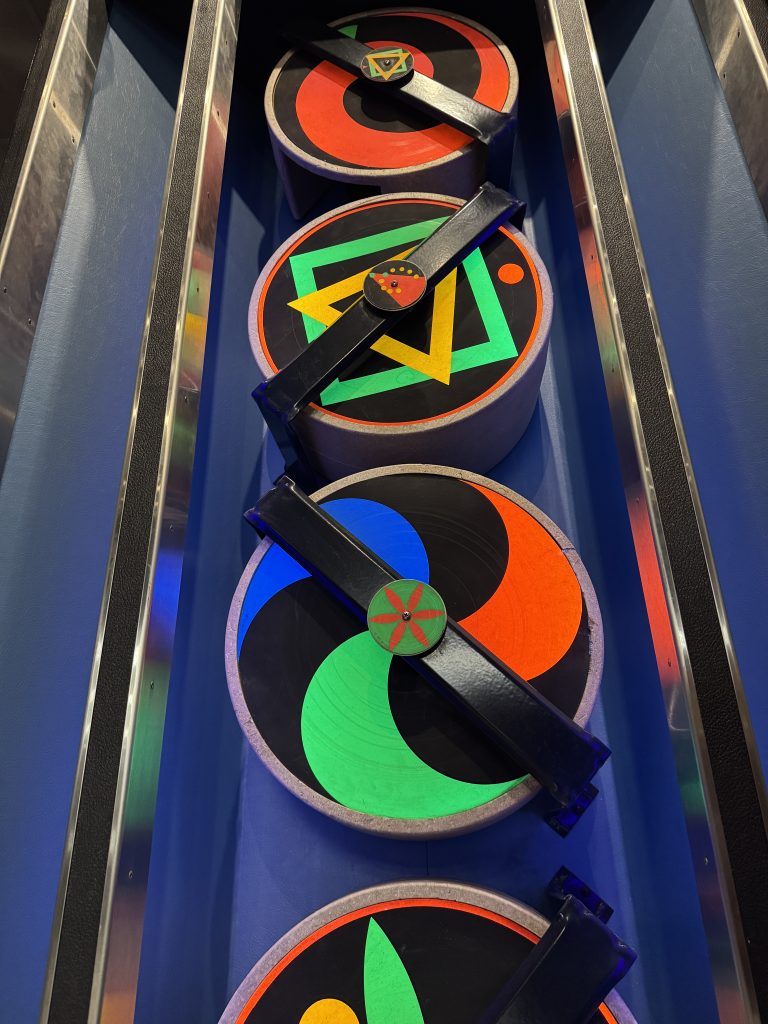
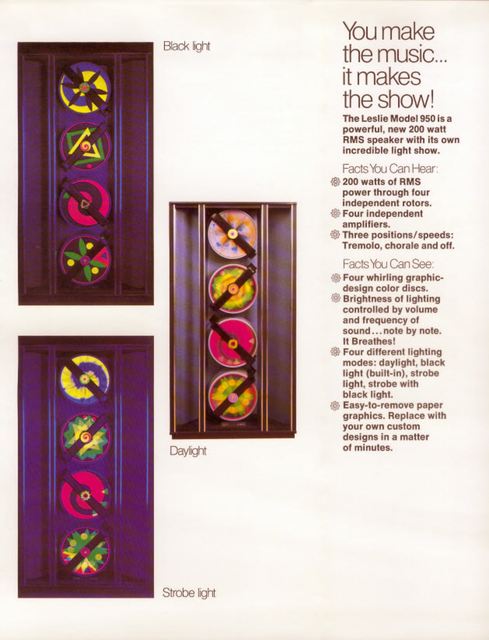
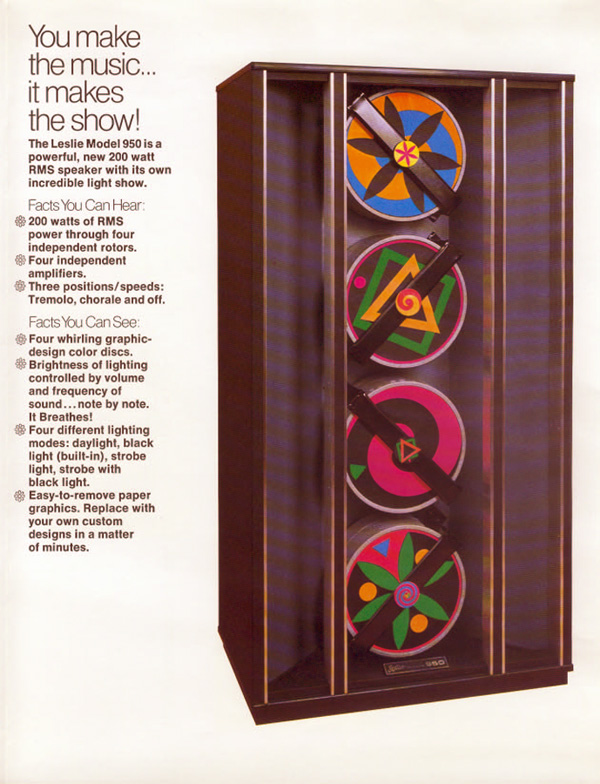
Gone was the conservative wood finish and horizontally rotating speakers of a standard Leslie speaker. In its place were four styrofoam wheels with crazy neon designs illuminated by a built-in blacklight. Each wheel covered a speaker and had a cutout to let the sound escape. As the internal rotors spun, synchronized lighting transformed the cabinet into a swirling psychedelic light show while the moving cutouts created the audible tremolo one expects from a Leslie. The faster the rotation the more intense the effect, turning music into something you could see as well as hear.
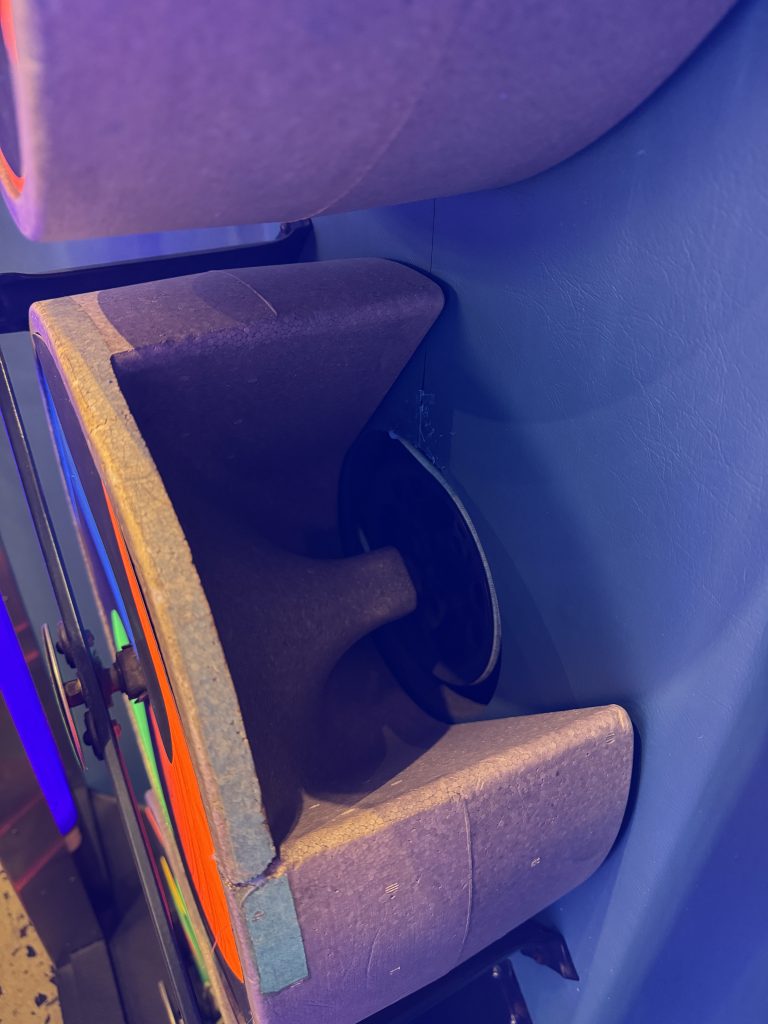
If a standard Leslie was meant to be heard but not seen, the 950 demanded your full attention.
Want to see more of the 950 in action? Here’s one of our early Sonic Test Drive videos that captures both its sonic power and visual impact:
A Rare Chapter in Leslie History
The Leslie 950 represents a fascinating moment in the evolution of amplification, when manufacturers weren’t just chasing better sound, but bigger experiences. It sits at the intersection of high-fidelity engineering and stage showmanship.
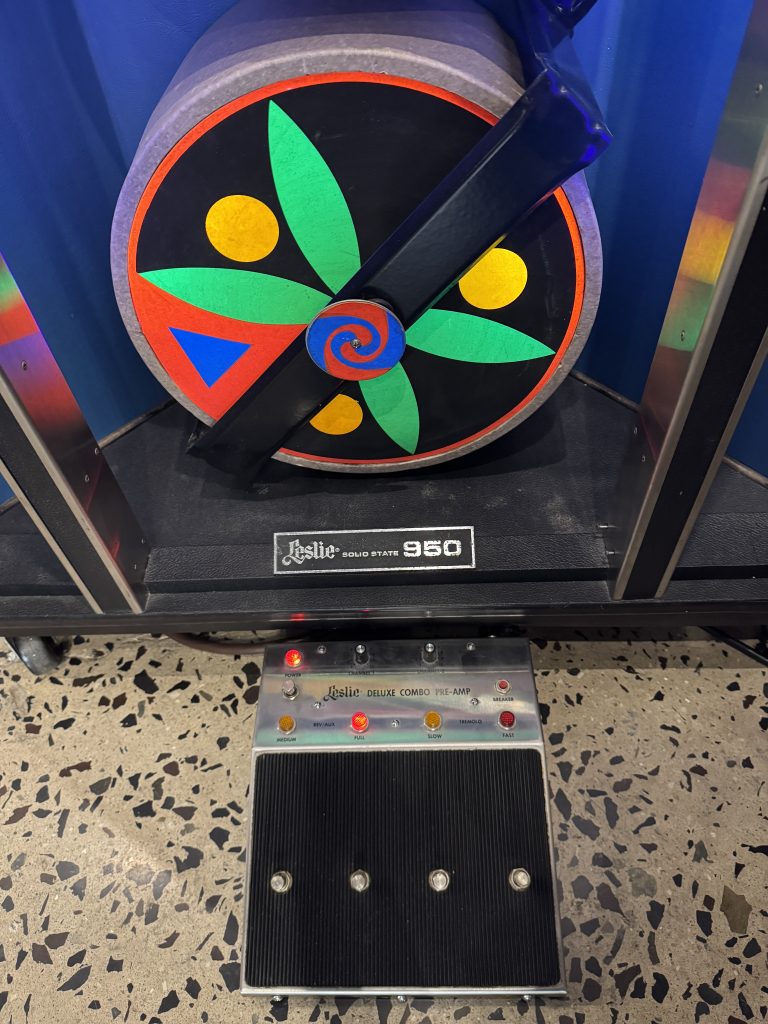
Original marketing materials from the era (like those preserved at the Hammond Orgel Club Holland‘s website) highlight just how bold this concept was. The 950 was designed for performers who wanted to stand out, sonically and visually, and the marketing slogan reflected that, inviting musicians to make the music while the Leslie made the show:
Vince’s First Encounter: Summer of ’71
The Leslie 950 is particularly special to EMEAPP/MMT’s founder and curator, Vince Pupillo, who first encountered one as a teen in a local music store:
“I had been saving my money that I earned from tips as a busboy in an upscale restaurant called The Hideaway in Conshohocken, PA. It was a Monday night during the summer of 1971 and I was going to be a sophomore in high school in the fall.
I talked my father into taking me down to Zapf’s Music in Norristown, PA on Johnson Highway (the store is long gone). I had my heart set on a red Yamaha YC-20 combo organ that I heard demoed a few months before. Every band I had been in never had a bass player, and the YC-20 had bass black notes—so cool, and they sounded so good.
That night, there was a special amp on display right next to the front door, being sent from dealer to dealer as a promotional piece. The salesman who sold me my YC-20 asked if I wanted to try it out after showing me how to set up the organ.
When I started playing Evil Ways by Santana, the room shook. The amp was the size of a huge commercial refrigerator. It had four psychedelic blacklight rotors and a speed control pedal. It was a Leslie 950.
I asked out of curiosity how much it was—and he just laughed. Then he tried to down-sell me a smaller Leslie 147… which I eventually bought a few months later.”
It’s hard to imagine a more formative introduction: to young Vince, the 950 wasn’t just a piece of gear, it was a revelation. That first encounter stayed with Vince, shaping his sense of what music technology could be: powerful, strange, beautiful, and worth preserving. In hindsight, you can almost draw a straight line from those few minutes in Zapf’s Music to the lifelong passion that eventually became EMEAPP and, later, the Museum of Music Technology.
A Philadelphia Story: The Cintioli Connection
Every instrument in the MMT collection carries history, but our Leslie 950 has particularly deep local roots. The unit in our collection came to us from the legendary Cintioli Music in Northeast Philadelphia—a name that still resonates with musicians across the region. For decades, under the stewardship of Benny Cintioli, the shop was more than a retail space; it was a hub, a hangout, and a treasure trove of rare and remarkable gear.
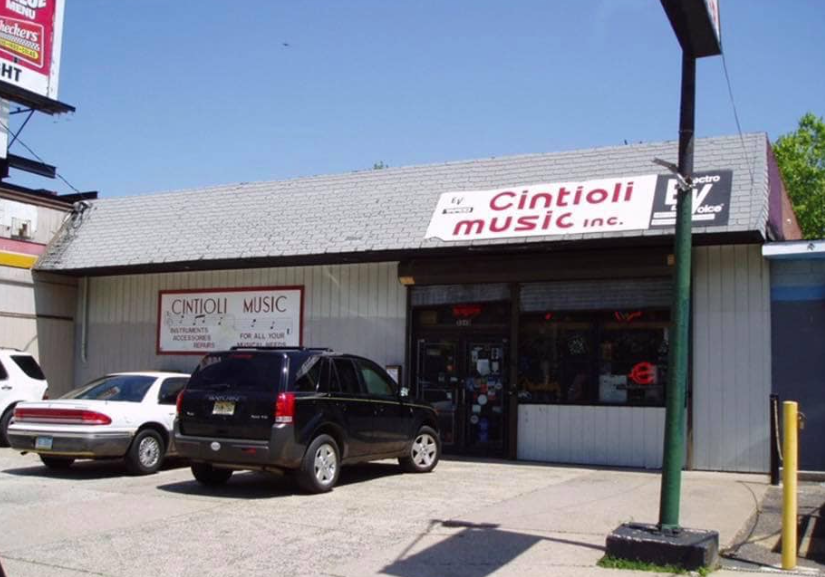
Acquiring this 950 from Cintioli not only added another a rare piece to the collection, it also allowed us preserve a piece of Philadelphia-area musical heritage. Although Vince wasn’t able to save up enough busboy tips get the 950 he saw at Zapf’s music so many years ago, having one from Cintioli’s is the next best thing!
Why It Still Matters
Our Leslie 950 is certainly a rare artifact, but even more importantly, it’s a reminder of how a single encounter can shape a lifetime. That moment in Zapf’s Music was the spark that set a young musician on a path that would eventually lead here, to EMEAPP and the Museum of Music Technology.
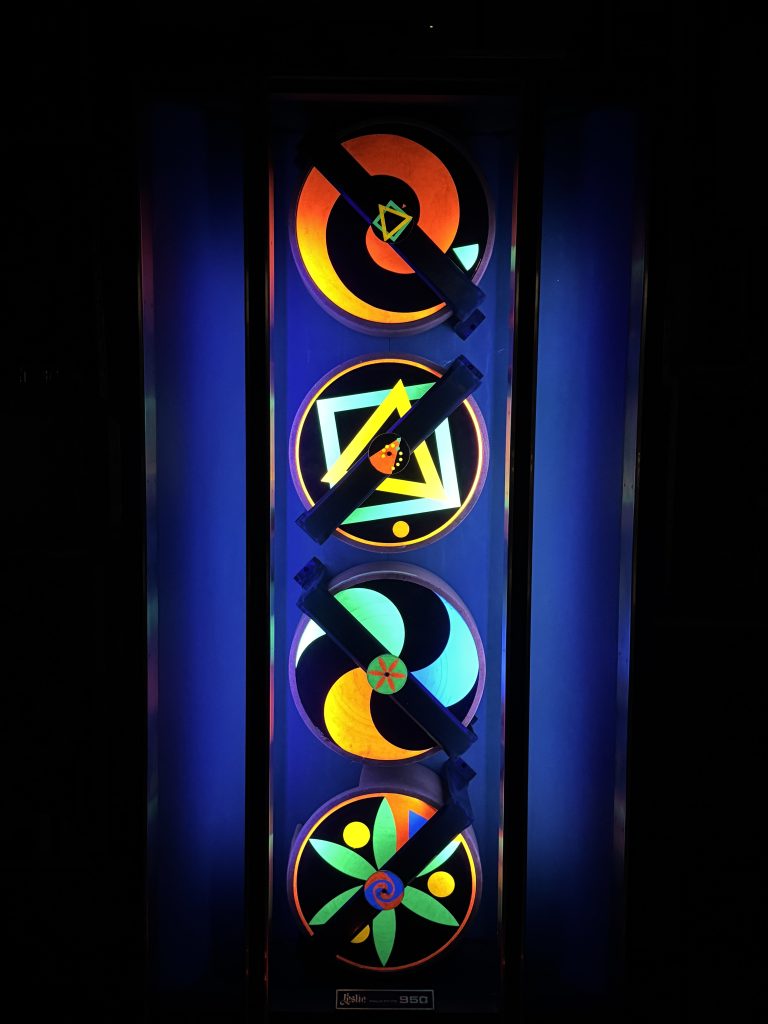
Today, this towering cabinet stands proudly at MMT, amazing our visitors the same way it amazed Vince more than fifty years ago. The story that began in 1971 is still spinning.
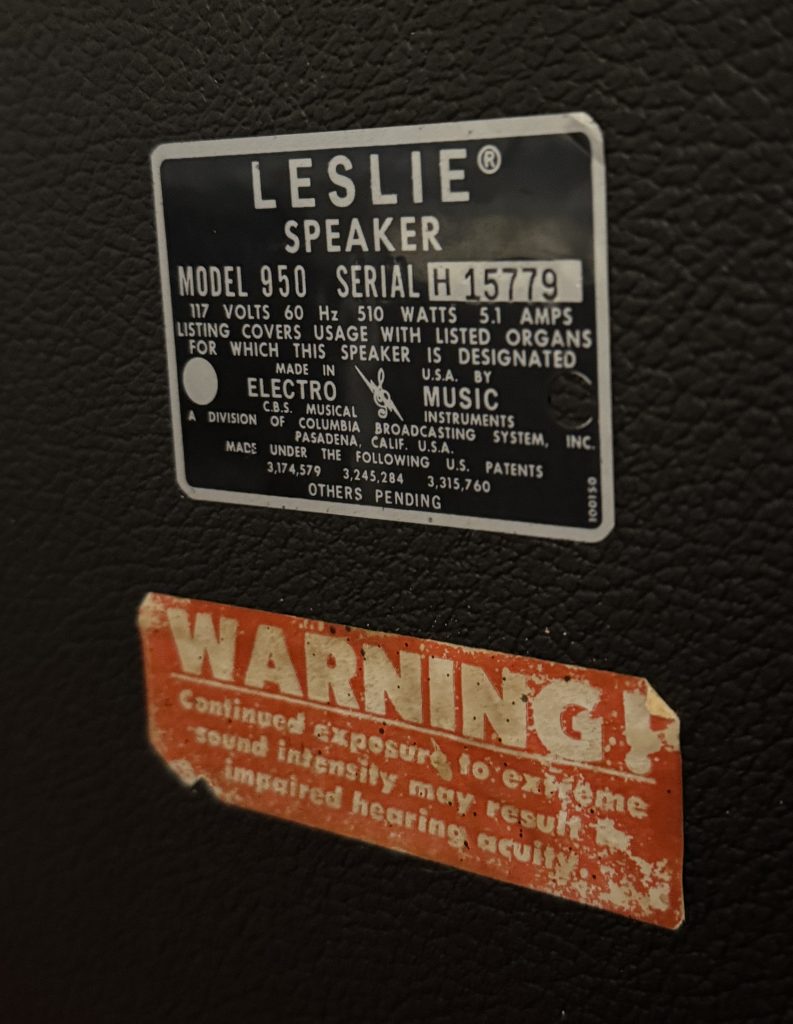
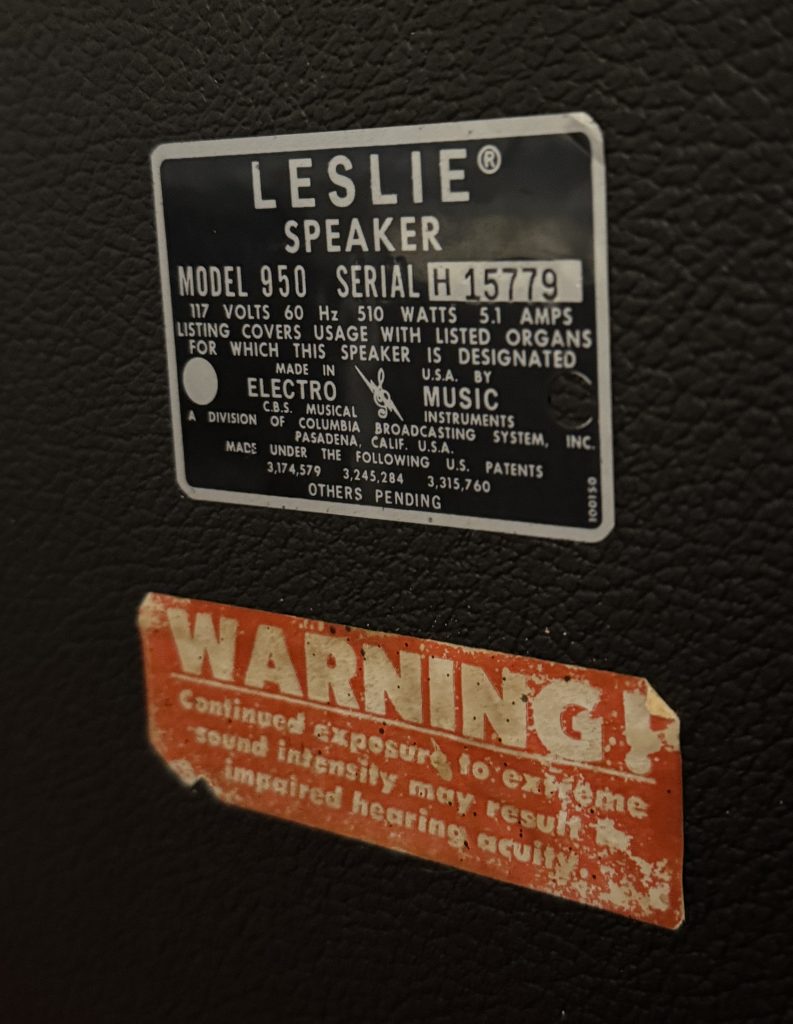
Come visit the Leslie 950 at MMT and experience the swirl for yourself!